Pemba Island – Ultimate Guide To A Hidden African Gem
Reasons for Visiting Pemba Island
As a piece of paradise that truly lies off the beaten track, the remote island offers only a handful of places to stay – something that makes Pemba all the more intriguing.
Dating as far back as 600 AD, Pemba Island formed an integral part of the Swahili Coastal trade route.
The island’s arable land yields a significant percentage of the world’s cloves and continues to play an integral part in the global farming community.

A Green Wonderland – Thriving crops, Resident Monkey Population and More
Forming a green wonderland, the lush landscape of the island is interspersed with thriving clove plantations.
The diversity of the island is truly captivating with everything from thickly vegetated hills and dense mangrove forests, to sandy beaches and secret coves.
A more fertile island is difficult to imagine and unlike Zanzibar, the community of Pemba Island is more dependent on agriculture than tourism.
The undulating hills of the island not only produce cloves but are covered in coconut, mango and other fruit plantations.
Pemba’s ancient fields and forests are also teeming with life. Wildlife enthusiasts can enjoy the population of the island of red colobus monkeys, vervet monkeys and impressive species of birds.
The resident Pemba scops owl is also a highly sought find.
Worth visiting is the Kidike Flying Fox Sanctuary, a place that 4,000 Pemba flying foxes call home. These fruit bats soar above the forest canopy with an impressive wingspan of 1.6 metres and can also be spotted when you walk the trails of Ngezi Forest.

Hidden Beaches and Secret Coves
With its dense mangrove forest belt, the beaches of Pemba Island are not as easily accessible as those in Zanzibar – something that makes getting to them all the more rewarding.
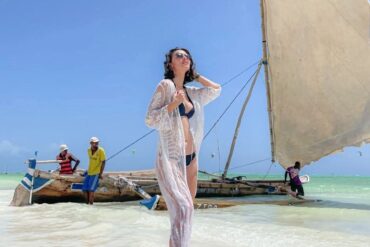
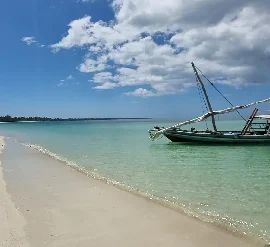
Boat trips run throughout the day to the island’s hidden beaches and secret coves – something you get to enjoy without the usual throngs of tourists.
Hidden in the northwestern corner of the island is Vumawimbi Beach – Pemba’s most popular beach. The idyllic waters and white sand stretch to the east of Kigomasha Peninsula and to the north of Ngezi Forest.
Just another boat ride away is Misali Island – an uninhabited piece of paradise off Pemba’s west coast. As you explore the northern edge of the island you’ll discover a lighthouse that provides unparalleled ocean views.
If you’re looking to laze around on secluded shores or snorkel the shallow reefs in utter isolation, the remoteness of both locations will not leave you disappointed.
Underwater Paradise
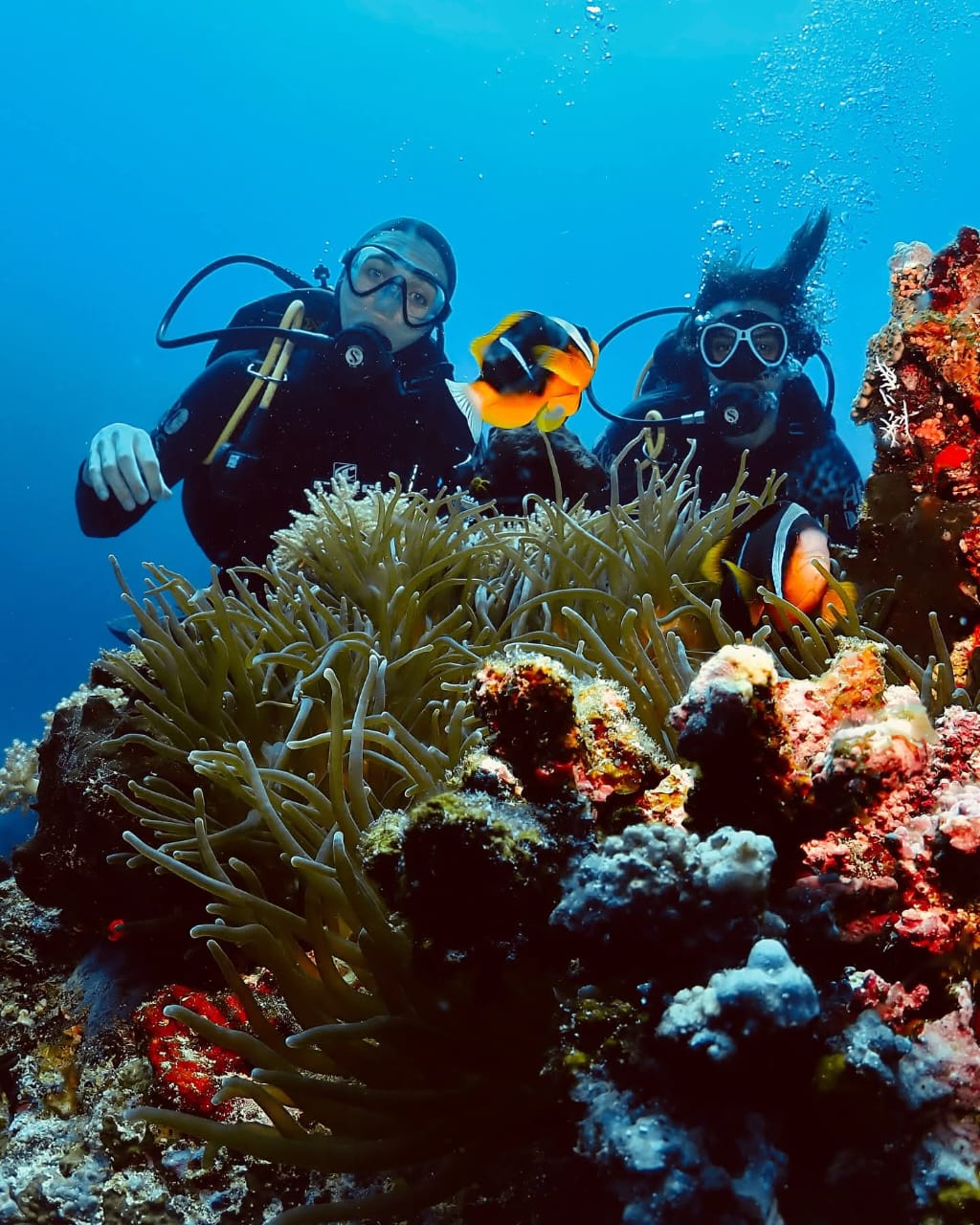
While Pemba Island used to be most famously known as a trade centre, today it is renowned as one of the world’s diving and snorkelling meccas (see my guide to diving in Zanzibar).
Dip beneath the tropical waters of the island and you’ll discover a magical world for divers and deep-sea fishermen alike.
The remoteness of Pemba Island takes you back in time and reveals a glimpse into how marine life used to thrive before human interference.
Whilst the island is ringed in by coral reefs, to the west the land plunges into the depths of the ocean and opens up a diving haven.
This is known as the Pemba Channel – a porthole that feeds the surrounding waters with life and invites sea creatures like turtles, game fish, reef sharks, and Napoleon wrasse.
The deep waters are also ideal for fishing enthusiasts who hope to reel in a catch like the famous billfish. Single-day or multi-day deep sea fishing trips can be booked through several of the island’s charters.

Cultural Heritage
Adding to the timelessness of Pemba Island is its rich cultural heritage, which over the centuries has been greatly influenced by Arab traders.
Ancient ruins litter the island and have become intertwined with the forest vegetation.
If you have an interest in archaeology, you will find the sites that date back to as early as the 14th century fascinating.
The Ras Mkumbuu ruins, for example, include a mosque, tombs and houses from the 14th century. To gain a greater context of the island’s history before you visit the sites, it is highly recommended to visit the Pemba Museum in Chake Chake first.
There are also other ways to experience the culture of the island. Village tours allow you to get a first-hand encounter of the lifestyle within Pemba’s rural communities – from fishing and cooking to farming and inter-island trade.

Quiet Serenity – Where are all the tourists?
For years, Pemba Island has been overshadowed by its more popular Zanzibar neighbour. It might seem surprising that the captivating island can be so devoid of tourists, especially when Pemba is populated with more than 500,000 people.
The absence of crowds, however, is exactly what gives Pemba its charm. When travellers walk through the rural villages, the entire community comes alive – eager to share the island that is kept so secret.
Travelling to Pemba allows you to discover the untouched territory, with everything from the hilly landscape to the tantalising waters exactly as they were thousands of years ago.